
A domain flip is a buy-low, hold-short, sell-to-end-user transaction, and this one returned a 14x gross multiple: a $300 acquisition resold for $4,200 after 11 months, netting roughly $3,676 in domain flipping profit after all costs. The margin came from three variables: a brandable two-word .com with clean trademark status, pre-sale asset preparation, and targeted outbound to end-user buyers instead of passive marketplace listing. Below is the full timeline, cost ledger, negotiation sequence, and repeatable framework behind the result.


Every flip depends on sourcing the right asset at the right entry price, which is why pre-vetted premium domain inventory priced for low-cost acquisition gives new investors a stronger starting position than auction-house bidding wars.
What is Domain Flipping Profit?
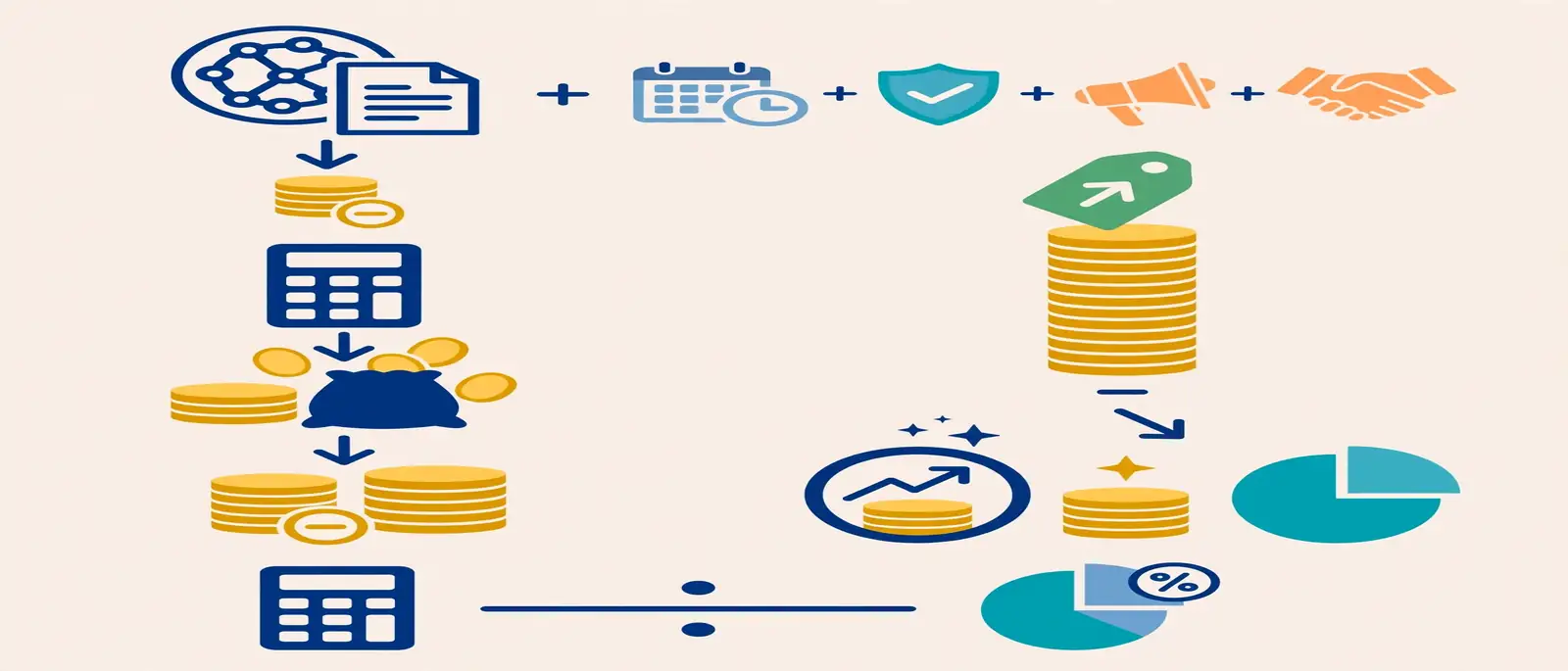
Domain flipping profit is the net gain left after you sell a domain name for more than your total cost to acquire, hold, and sell it. The formula is simple: sale price minus purchase price, renewal fees, escrow fees, marketing costs, and any commissions.
Here is the quick version:
- Gross profit = sale price minus purchase price
- Net profit = gross profit minus holding costs, selling costs, and fees
- ROI = net profit divided by total investment, expressed as a percentage
Many beginners confuse the first number with the third. A $4,200 sale looks like a $3,900 win on a $300 buy. However, the true figure sits lower once you count every expense. We will show that math line by line later in this article.
How Domain Flipping Differs From Long-Term Domain Investing
Flipping focuses on short holding periods and fast capital recycling. Long-term investing, in contrast, treats a domain as digital real estate that appreciates over years or decades.
Both strategies work. Flipping simply demands faster decisions, tighter cost control, and stronger sales execution.
Case Study Snapshot: The Numbers at a Glance
Before the narrative, here is the full picture in one place. This table gives you the core metrics a reader (or an AI Overview) needs in seconds.
| Metric | Result |
|---|---|
| Domain type | Two-word brandable .com (home-services category) |
| Purchase price | $300 |
| Holding period | 11 months |
| Sale price | $4,200 |
| Gross multiple | 14x |
| Total costs (all-in) | ~$524 |
| Net profit | ~$3,676 |
| Net ROI | ~701% |
| Sale channel | Direct outbound to an end-user buyer |
| Payment method | Escrow with transfer on payment clearance |
Note on figures: Fees and tool costs vary by registrar, escrow provider, and region. Treat the cost lines as a realistic model, then substitute your own numbers when you run your first deal.
Month 0: How We Found and Evaluated the Domain
The flip started with a filter, not a hunch. We scanned expiring and low-priced listings for domains that matched buyer demand, then rejected roughly 95 percent of them.
That discipline matters. Most failed flips trace back to a weak buying decision, not a weak selling effort.
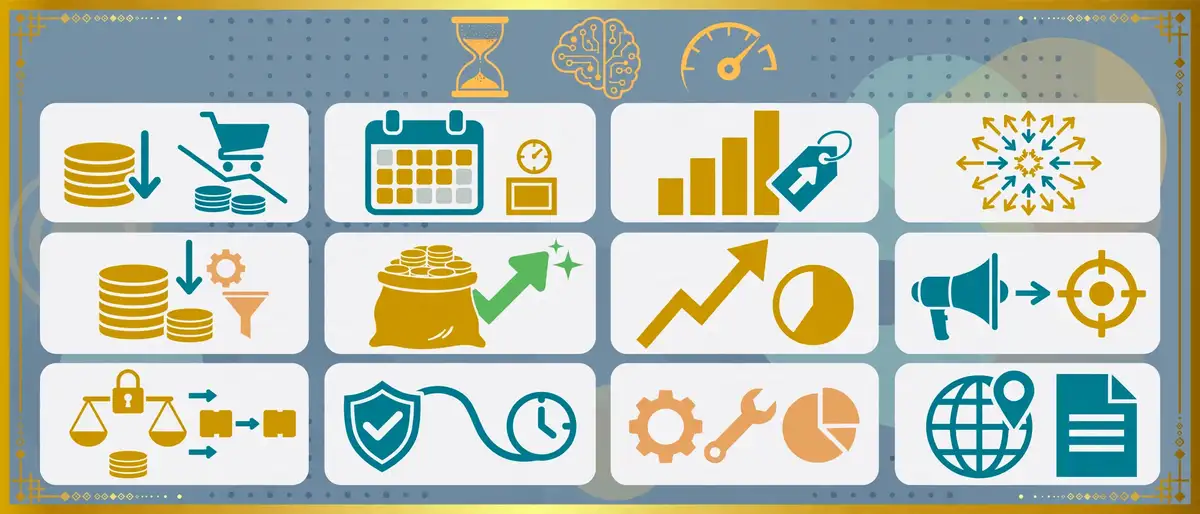
The Five-Point Screening Filter
Each candidate had to pass all five checks before we spent a dollar:
- Extension: .com only. End-user buyers trust it most, and resale liquidity is highest.
- Length and structure: Two short words, easy to spell, easy to say on a phone call.
- Commercial intent: The words pointed to a paying industry, not a hobby.
- Trademark risk: No conflicts in major registries.
- History: Clean archive record with no spam, adult, or penalty-linked past.
Passing all five narrowed hundreds of options to a handful. Then we compared prices.
Using Appraisal Data Without Trusting It Blindly
Automated valuations help you sanity-check a price, but they are not gospel. If you want to understand why those numbers swing so widely, this breakdown of how appraisal tools calculate premium domain value explains the inputs behind the estimates.
We used appraisal output in three ways:
- As a rough ceiling check, never as a price promise
- As a comparison against recent comparable sales
- As a signal to investigate further when estimates disagreed sharply
Comparable sales carried far more weight than any algorithm. Specifically, we looked for sales of similar length, similar category, and similar word structure within the past 24 months.
Why We Chose a Home-Services Niche
Home-services businesses (plumbing, roofing, landscaping, cleaning) operate in local markets, run on marketing budgets, and rebrand often. Consequently, they represent a deep pool of end-user buyers who understand the value of a memorable domain.
Meanwhile, hobby and entertainment niches produced plenty of cheap names but very few buyers with real budgets.
Month 0 to 1: Buying the Domain for $300
We acquired the domain at a fixed price of $300 from a seller who had not priced it against end-user demand. The seller held it as part of a larger bulk portfolio and wanted fast liquidity.
Nothing about the purchase was exotic. Still, three choices protected the downside.
Negotiating the Entry Price
The listing price started higher. We offered a lower figure, explained that we would pay quickly through escrow, and let the seller respond.
Here is the pattern that worked:
- Open with a specific number, not a vague range
- Offer speed: instant payment through escrow reduces seller risk
- Stay polite and brief: long negotiation emails signal weakness
- Walk away if needed: another candidate always exists
Eventually, the seller countered once, we accepted, and the deal closed within two days.
Closing Safely With Escrow
Never send money directly to a stranger for a domain. Use a recognized escrow service such as Escrow.com, which holds funds until the domain transfer completes and both sides confirm.
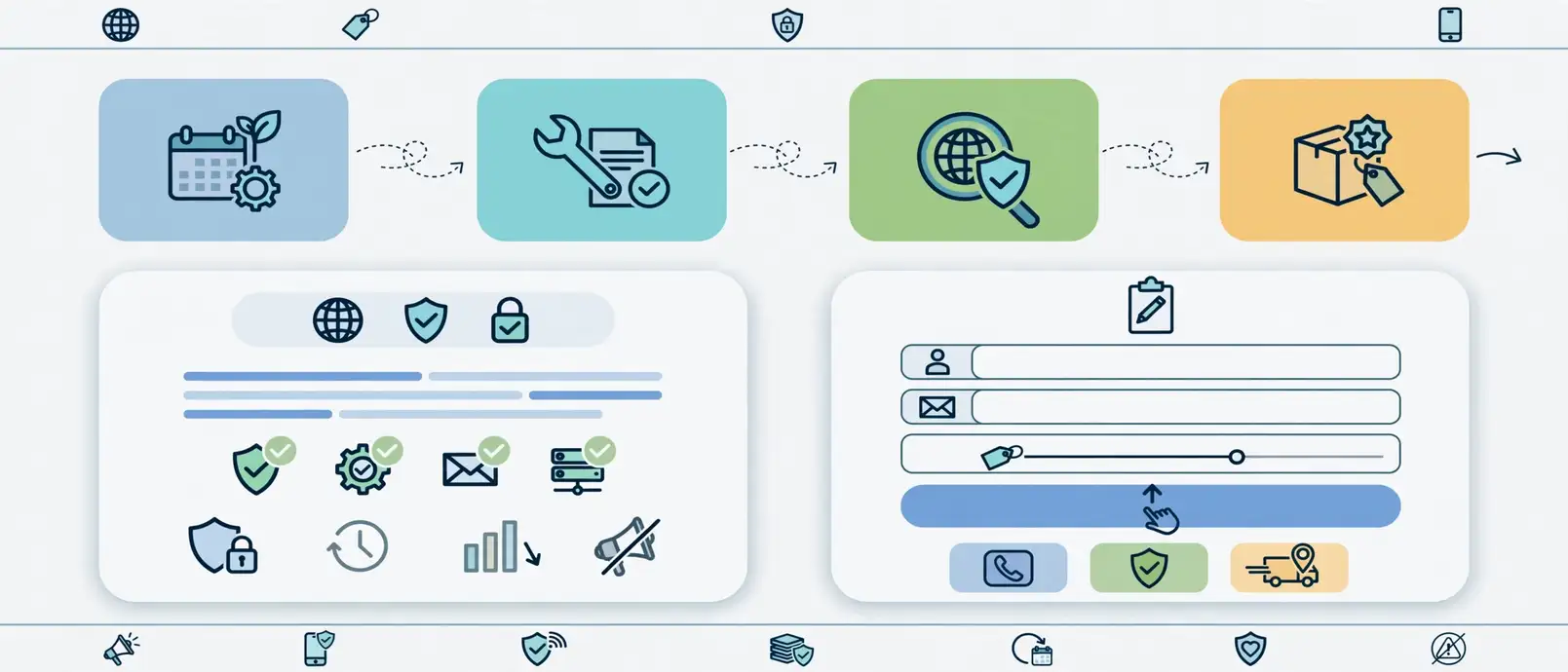
The transaction followed this order:
- Buyer and seller agree on price and terms
- Buyer deposits funds with the escrow service
- Seller releases the domain to the buyer’s registrar account
- Buyer confirms receipt
- Escrow releases payment to the seller
Completing the Registrar Transfer
After payment, we moved the domain into our own registrar account and enabled registrar lock, two-factor authentication, and WHOIS privacy. If you have never done this before, the step-by-step domain transfer guide walks through every stage, including auth code requests and transfer timing.
Make sure you control the domain fully before doing anything else. Otherwise, you cannot sell it with confidence.
Months 1 to 4: Preparing the Asset for Sale
Buying the domain was only the first half of the work. A domain sitting on a default parking page rarely sells at a premium.
Instead, we treated the name like a product and prepared it for buyers.
Building a Simple For-Sale Landing Page
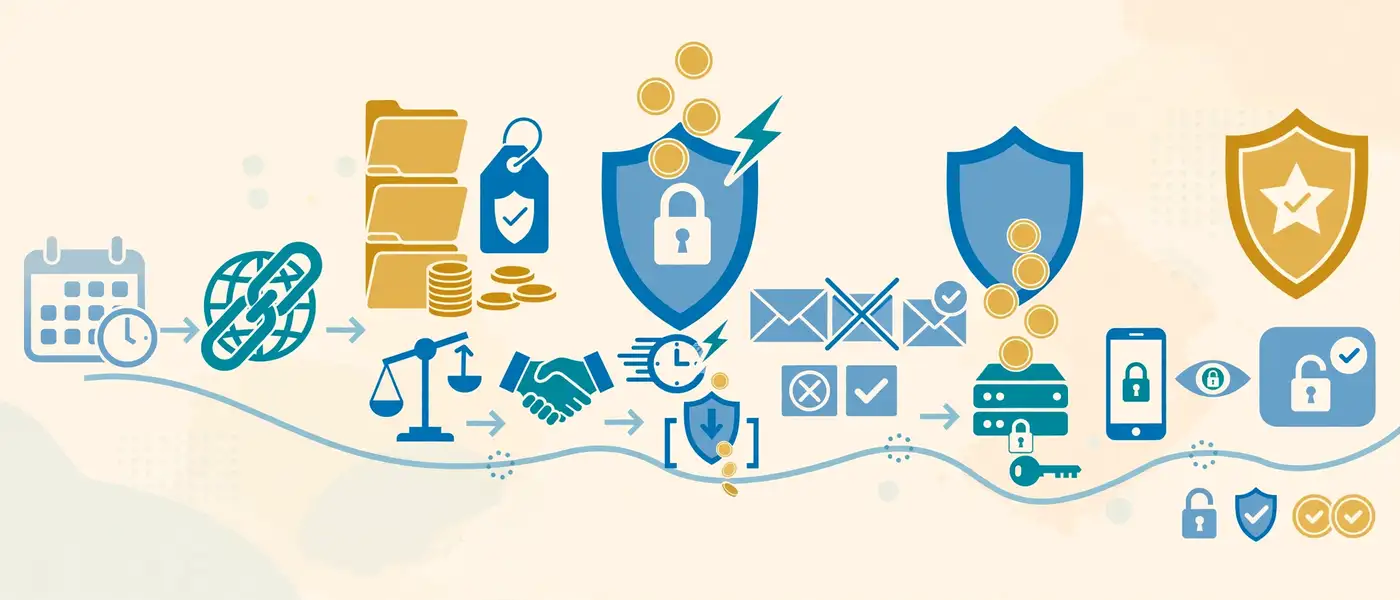
We built a one-page lander with a clean layout and a single goal: make it easy for a serious buyer to start a conversation.
The page included:
- A clear headline stating that the domain is for sale
- A short paragraph describing the types of businesses the name suits
- A simple inquiry form with name, email, and offer fields
- A visible price range or a “make an offer” prompt
- Fast mobile loading and basic security (HTTPS)
Notably, we avoided cluttered ad networks. Ads on a sales page make a domain look cheap and distract from the main action.
Writing a One-Paragraph Brand Pitch
Buyers do not think in terms of “asset value.” They think in terms of customer trust, phone calls, and ad costs. So we wrote a short pitch that spoke their language:
- Easy to remember after hearing it once
- Fits on a truck, a yard sign, or a business card
- Reduces confusion when customers search by name
- Keeps ad spend more efficient with a direct, descriptive name
Checking Technical Health
Before outreach, we verified the basics:
- DNS records resolve correctly
- The domain has no blacklist flags
- Email addresses on the domain deliver properly
- Registrar auto-renew is on, so the name cannot lapse by accident
These steps cost almost nothing. However, skipping them can kill a deal at the final moment.
Months 4 to 9: Marketing the Domain to End-User Buyers
This phase produced the profit. A passive listing might have eventually sold, but we wanted a faster and higher outcome, so we ran outbound.
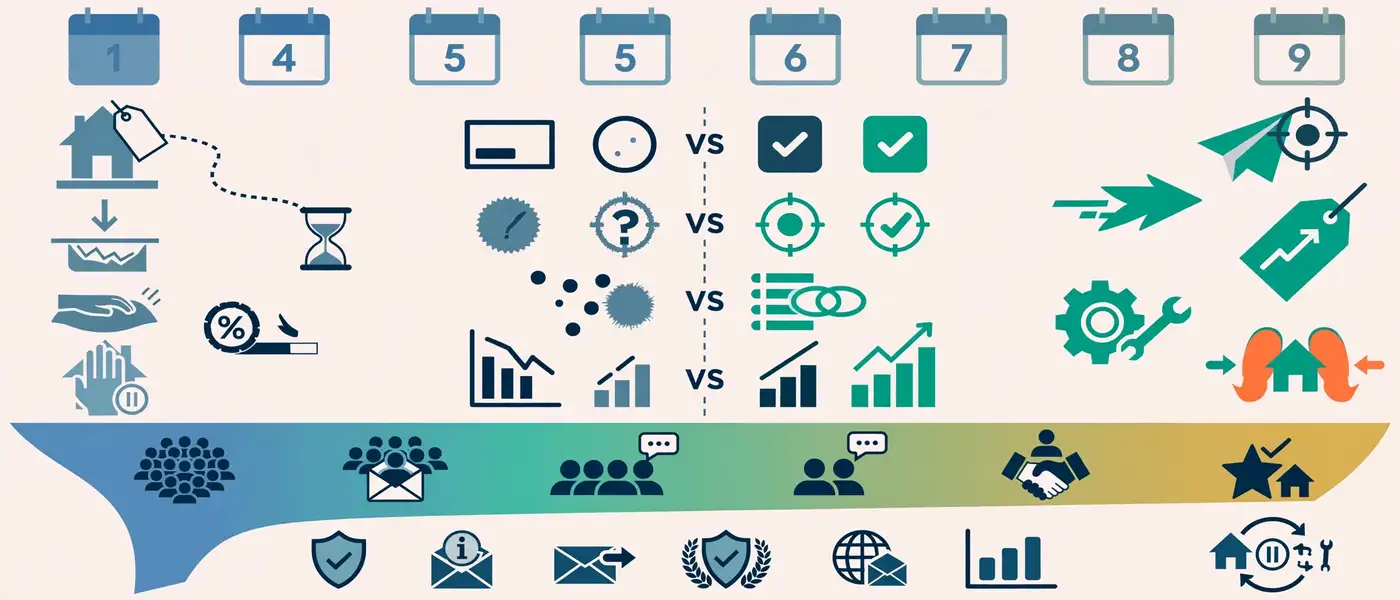
Why Outbound Beats Passive Listing
Marketplace listings put your domain in front of buyers who are browsing. Outbound puts it in front of buyers who have a reason to care.
Compare the two approaches:
| Factor | Passive Marketplace Listing | Targeted Outbound |
|---|---|---|
| Buyer intent | Mixed, often low | High, pre-qualified |
| Speed to sale | Slow and unpredictable | Faster with consistent effort |
| Price ceiling | Often limited by browsing buyers | Higher, since buyers see a direct fit |
| Effort required | Low | Moderate to high |
| Typical cost | Commission on sale | Time plus small tool costs |
| Best for | Hands-off holders | Active flippers |
Both can work together. We listed the domain passively and ran outbound at the same time.
Building the Buyer List
We searched for businesses that matched three signals:
- Name overlap: companies using a longer, clumsier version of the same words
- Category fit: home-services firms in growth mode
- Brand weakness: businesses with hyphenated names, numbers, or non-.com extensions
In total, we compiled about 120 qualified prospects. Then we prioritized the top 40 by company size and apparent marketing activity.
The Outreach Sequence
We sent short, respectful emails with a clear subject line and a single question. Here is the structure:
- Email 1: Introduce the domain and why it fits their business
- Email 2 (five days later): Share a short benefit, such as easier word-of-mouth referrals
- Email 3 (ten days later): Close politely and invite an offer
Keep each message under 100 words. Longer emails get skimmed or ignored.
Compliance tip: Follow anti-spam rules in your region, identify yourself honestly, and always provide a simple opt-out. Ethical outreach protects your reputation and your sender domain.
What the Response Data Looked Like
Results came slowly at first:
- 40 businesses contacted in the first round
- 11 opened and read the messages
- 4 replied with questions
- 2 asked for a price
- 1 negotiated seriously
Those numbers look small, but one serious buyer is all a flip needs.
Months 9 to 11: Negotiating the $4,200 Sale
The buyer was a regional home-services company preparing a rebrand. Their current name was long, hard to spell, and hurt their paid search performance.
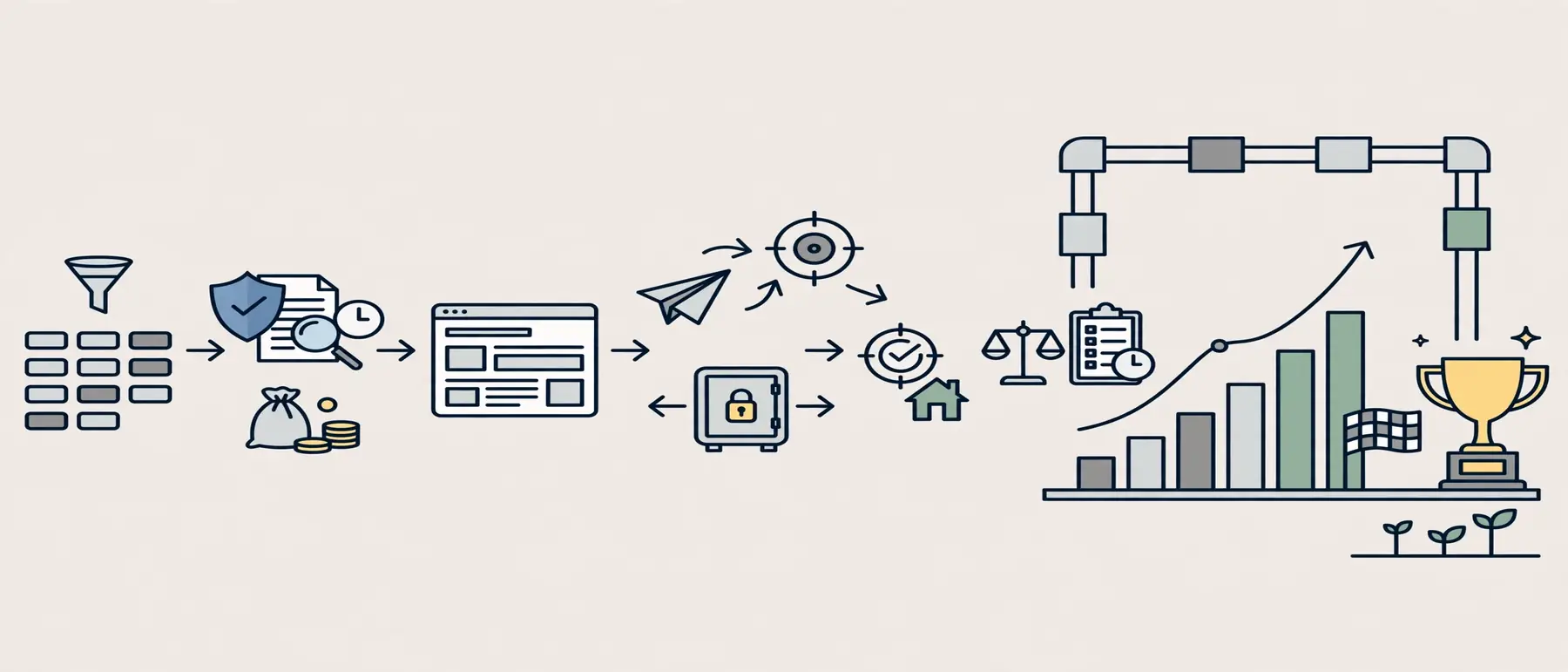
How the Negotiation Unfolded
Our initial ask was $6,500. The buyer countered at $2,000. After three rounds, we settled at $4,200.
The sequence went like this:
- Ask: We named a firm figure with a short rationale
- Counter: The buyer offered less than a third
- Value framing: We explained the cost of their current naming problem, including lost referrals and ad inefficiency
- Mid-point move: We dropped to $4,800 and held there for several days
- Final close: The buyer asked for a last concession, and we met at $4,200 with immediate payment through escrow
Negotiation Principles That Worked
- Anchor high but credibly. An ask backed by reasoning feels fair, not greedy.
- Sell outcomes, not letters. Buyers pay for trust, memorability, and growth.
- Concede slowly. Rapid price drops invite more pressure.
- Never reveal your cost. Your purchase price is irrelevant to their value.
- Set a walk-away number. Ours was $3,000.
Importantly, we never pressured the buyer with fake competing offers. Honest negotiation keeps deals clean and protects your reputation in a small industry.
Closing the Sale Through Escrow
Payment and transfer followed the same safe process we used when buying. The buyer funded escrow, we released the domain to their registrar account, and escrow paid us after confirmation.
Total time from final agreement to payment: about six days.
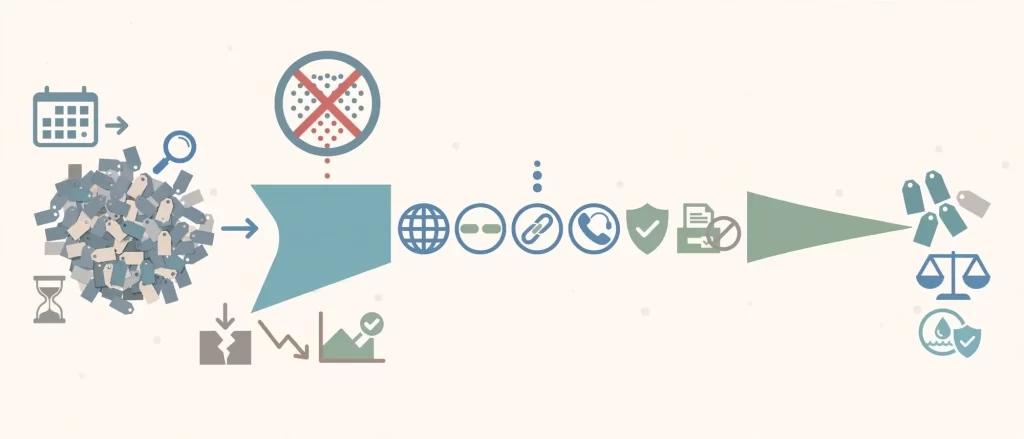
Domain Flipping Profit Breakdown: Real Costs vs. Revenue
Now for the number that matters most. Here is the full ledger of the flip.
| Line Item | Amount |
|---|---|
| Sale price | $4,200 |
| Purchase price | -$300 |
| Renewal (11 months, one cycle) | -$12 |
| Escrow fee on sale (approx. 3.25%) | -$137 |
| Landing page hosting and tools | -$45 |
| Outreach tool subscription | -$30 |
| Total costs | -$524 |
| Net domain flipping profit | $3,676 |
| Net ROI | ~701% |
Reading the Numbers Honestly
Three points deserve attention:
- Time is a cost. We spent roughly 25 to 30 hours across 11 months, mostly on research and outreach.
- Capital was tied up. The $300 could not be used elsewhere during that period.
- One win does not prove a system. Some flips sell fast, others never sell. Portfolio-level results matter more than a single deal.
Consequently, treat this case study as evidence of a method, not a guarantee of results.
Hourly Return Check
If you value your time, the math still looks healthy. At 28 hours of work, the net profit works out to roughly $131 per hour. However, that figure drops quickly on flips that need longer holding periods or never close.
Why This Domain Sold: The Value Factors Behind the $4,200 Price
A domain does not sell because it is cheap. It sells because a buyer sees clear value.

Several factors pushed this name into the thousands:
- .com extension: The default choice for commercial buyers
- Two real words: Easy to spell, say, and remember
- Industry relevance: The words matched what customers actually search
- Short length: Fewer characters mean fewer typos
- Clean history: No penalties, spam, or legal baggage
- Buyer urgency: The buyer was already planning a rebrand
For a deeper look at how these elements shape pricing, read this guide to what drives premium domain price factors. It breaks down length, keywords, extension, and brandability in detail.
What the Buyer Was Really Paying For
The buyer did not purchase letters. They purchased:
- A stronger first impression with customers
- A name that works in voice search and word-of-mouth
- A cleaner brand for ads, trucks, uniforms, and signage
- Protection from a competitor grabbing the name
Framing the sale around those outcomes moved the conversation from “domain price” to “marketing investment.”
Domain Flipping vs. Other Resale Strategies: Which Fits You?
Different approaches suit different goals. The table below compares the main routes to resale profit.
| Strategy | Typical Holding Period | Effort Level | Profit Potential | Risk Level |
|---|---|---|---|---|
| Quick flip (this case study) | 3 to 12 months | Moderate to high | Strong per deal | Moderate |
| Long-term hold | 3 to 10+ years | Low | Potentially high | Moderate |
| Auction flipping | Days to weeks | High | Thin margins, volume-based | High |
| Developed-site flip | 6 to 24 months | Very high | Variable | High |
| Brokered premium sales | Months to years | Low (delegated) | Strong but commission-based | Low to moderate |
Quick flipping rewards people who enjoy research and outreach. Long-term holding, meanwhile, suits patient investors who prefer low daily effort.
Step-by-Step: How to Repeat This Domain Flip
Here is a practical framework you can follow. Each step reflects what worked in this case.
- Define your niche. Pick an industry with real marketing budgets, such as home services, legal, health, or software.
- Set a strict budget. Decide your maximum entry price per domain and your maximum number of simultaneous holds.
- Source candidates. Browse low-priced listings, expiring inventories, and seller-direct offers.
- Screen with a checklist. Apply extension, length, intent, trademark, and history filters.
- Check comparable sales. Compare against recent sales of similar names, not just appraisal tools.
- Negotiate the entry price. Offer fast payment in exchange for a lower price.
- Buy through escrow. Never skip secure payment.
- Secure the asset. Enable registrar lock, two-factor authentication, and auto-renew.
- Build a basic lander. Keep it clean, fast, and focused on inquiries.
- Run outbound plus passive listing. Contact qualified buyers while the domain sits on marketplaces.
- Negotiate with outcomes in mind. Anchor high and concede slowly.
- Close via escrow. Transfer only after funds are secured.
If you are starting from zero, this primer on domain investing for beginners using low-cost premium names helps you build the right foundation before your first purchase.
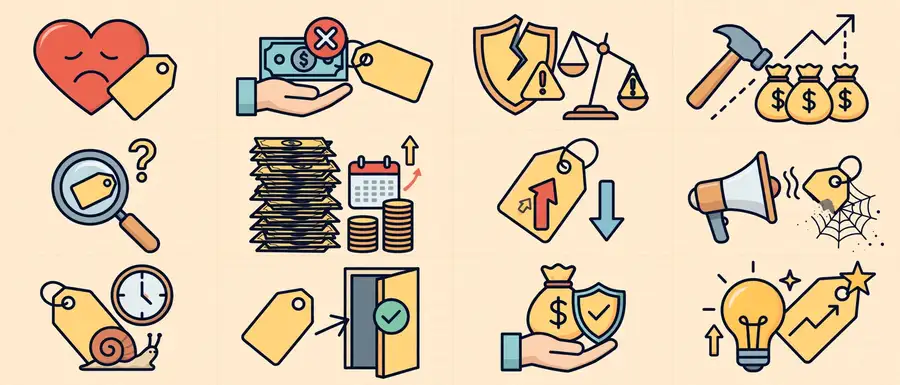
Common Mistakes That Destroy Domain Flipping Profit
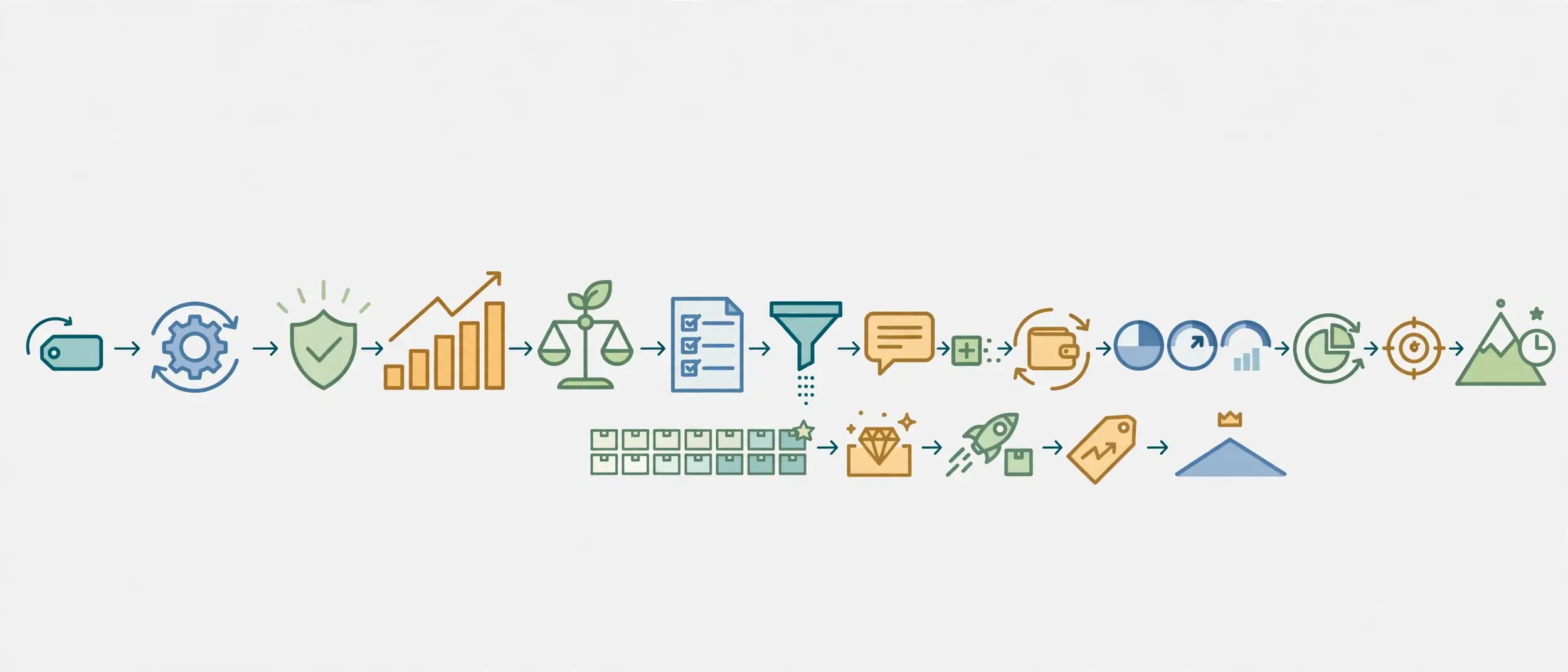
We have seen the same errors repeat across new investors. Avoid these:
- Buying on emotion. A name you love is not necessarily a name buyers will pay for.
- Ignoring trademark risk. One conflict can turn an asset into a liability.
- Overpaying at auction. Bidding wars erase margin before the flip begins.
- Skipping comparables. Without sales data, your price is a guess.
- Holding too many names. Renewal fees compound quickly across a bloated portfolio.
- Pricing without a strategy. Asking too high kills interest, and asking too low leaves money behind.
- Neglecting outreach. Waiting for buyers to find you works rarely.
- Using weak extensions. Obscure TLDs usually resell slowly.
Purchase mistakes often feel small at the time and expensive later. For a candid look at what those errors cost, read this piece on domain buying regret and how to avoid it.
The Hidden Mistake: Not Walking Away
Many beginners treat every deal as a must-win. Experienced flippers know that skipping a bad purchase is itself a profitable decision. Money you do not lose today stays available for a better opportunity tomorrow.
Expert Tips to Increase Your Domain Flipping Profit
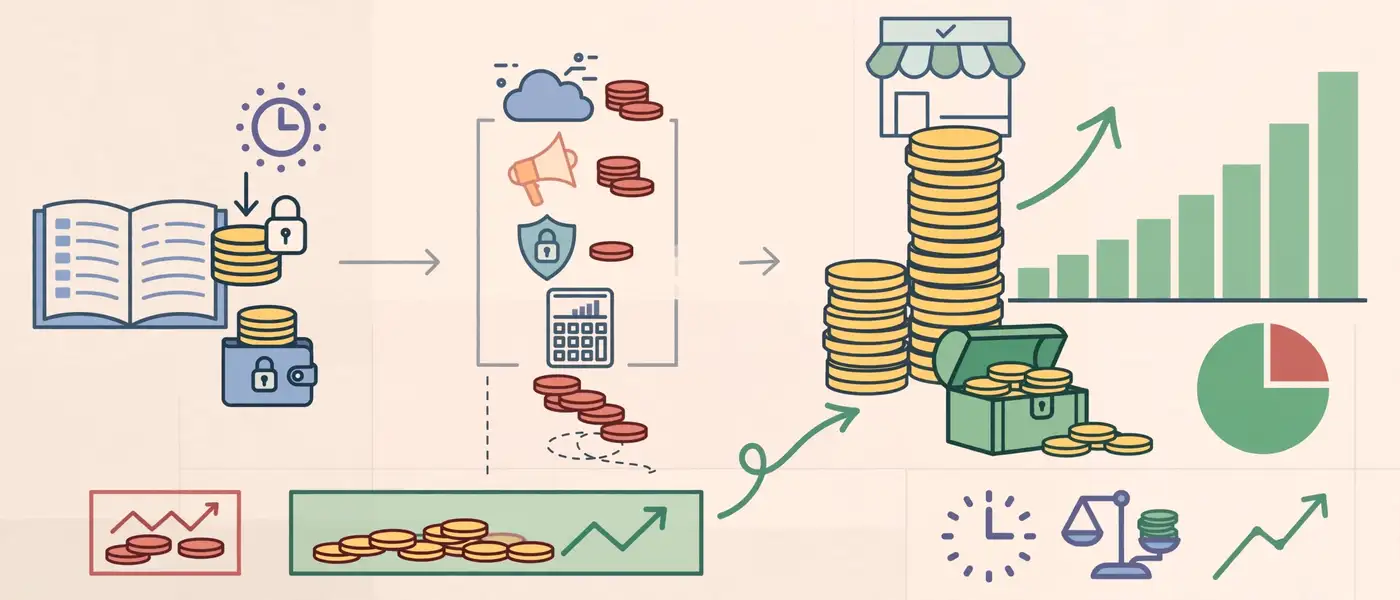
These tips come from the patterns behind this deal and from common practice among experienced investors.
- Buy for the end user, not the investor. End users pay retail. Investors pay wholesale.
- Keep a spreadsheet. Track purchase date, price, renewal date, outreach status, and offers.
- Time your outreach. Companies planning rebrands, funding rounds, or expansions pay more readily.
- Use clear pricing language. A “make an offer” prompt can attract low-ball bids, while a stated range filters buyers.
- Respond fast. Slow replies lose serious buyers.
- Recycle profit. Reinvest part of each win into your next acquisition.
- Build a reputation. Honest dealings generate referrals and repeat buyers.
- Review quarterly. Drop names that show no traction before renewal fees stack up.
Keep Your Content People-First
If you build any content around your domains, follow Google’s guidance on creating helpful, people-first content. Thin, auto-generated pages can hurt a domain’s reputation and make it harder to sell.
Risks to Understand Before You Flip
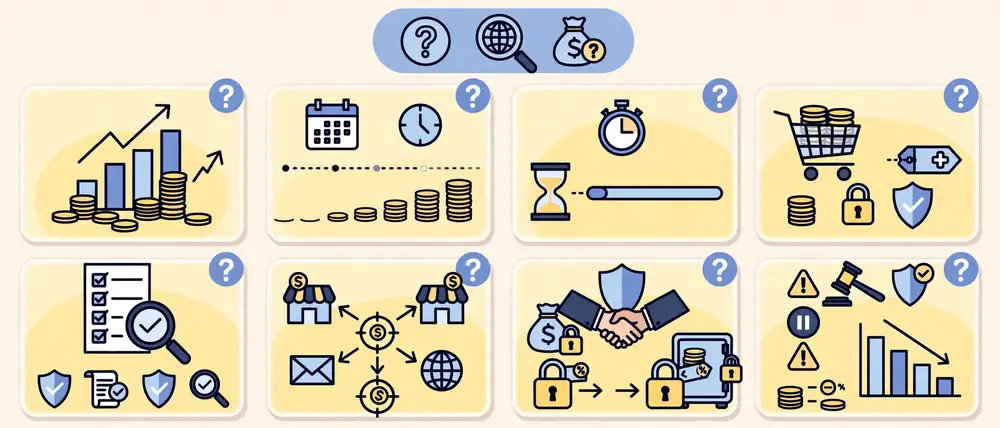
Every investment carries risk. Domain flipping is no exception.
Trademark and Legal Exposure
Buying a name that infringes on an existing brand can expose you to disputes. Domain disputes may be filed under the UDRP process, and the WIPO Arbitration and Mediation Center publishes information on how those cases work. Therefore, always run a trademark search before purchase.
Liquidity Risk
A domain is only worth what a buyer will pay. Some names sit for years without a serious inquiry.
Renewal Drag
Each name costs money to keep. Multiply a small renewal fee by dozens of domains, and your margin shrinks fast.
Market Shifts
Naming trends, new technologies, and buyer budgets change over time. A name that looks strong today may cool later.
How to Reduce These Risks
- Start with one to three domains, not twenty
- Favor proven .com structures
- Keep a written exit rule for every name
- Diversify across several industries
Scaling Up: From One Flip to a Repeatable System
One profitable deal builds confidence. A system builds income.

Here is how to scale responsibly:
- Document your process. Write down your screening filter and outreach scripts.
- Expand gradually. Add one or two names at a time as your cash flow supports them.
- Track every metric. Measure acquisition cost, days held, outreach volume, reply rate, and net ROI.
- Specialize. Depth in one niche beats shallow coverage across ten.
- Consider premium inventory. As your capital grows, higher-quality names tend to sell faster and at stronger prices.
If you want a sense of the ceiling, the highest domain sales ever recorded show how strongly the market values the right name at the right moment.
Frequently Asked Questions About Domain Flipping Profit
How much domain flipping profit can a beginner realistically make?
Results vary widely. Some beginners earn nothing in their first year, while others earn a few hundred or a few thousand dollars per flip. Success depends on buying discipline, niche choice, and consistent outreach. This case study netted about $3,676 on one deal, but it should not be treated as an average.
How long does it take to flip a domain name?
Timelines range from days to several years. Quick flips usually take three to twelve months when the investor actively markets the name. This case study took 11 months.
Is domain flipping still profitable?
Yes, but the market rewards quality and effort. Short, brandable .com names in commercial niches continue to attract end-user buyers. Low-quality names with weak extensions, on the other hand, often sit unsold.
How much money do I need to start flipping domains?
You can begin with a few hundred dollars. Plan for the purchase price, annual renewals, escrow fees, and small tool costs. Starting with one or two domains limits your downside while you learn.
What makes a domain valuable enough to flip?
Strong flip candidates usually share these traits: a .com extension, short length, easy spelling, clear commercial meaning, a clean history, and no trademark conflicts. Comparable sales data confirms whether the market actually pays for similar names.
Where should I sell a flipped domain?
Most investors combine marketplace listings, a personal for-sale landing page, and direct outbound to likely buyers. Using several channels at once raises your chance of reaching a motivated end user.
Do I need escrow when I buy or sell a domain?
Yes. Escrow holds funds until the transfer completes, which protects both buyer and seller from fraud and disputes.
How do I calculate domain flipping profit correctly?
Subtract your purchase price, renewal fees, escrow fees, marketing costs, and commissions from the sale price. Then divide the result by your total costs to find your ROI. Include your time as a separate consideration.
What is the biggest risk in domain flipping?
Illiquidity and trademark exposure are the two largest risks. A domain may not attract a buyer for a long time, and a conflicting trademark can create legal trouble. Screening carefully reduces both.
Conclusion: What This Case Study Teaches About Domain Flipping Profit
This flip worked because of process, not luck. A tight screening filter protected the entry price, a clean landing page prepared the asset, and focused outbound reached the one buyer who needed the name. Together, those choices turned a $300 purchase into a $4,200 sale and a net domain flipping profit of about $3,676.

Remember the key lessons:
- Buy for end-user demand, not personal taste
- Verify trademark and history before every purchase
- Use escrow on both sides of the deal
- Run outbound instead of waiting for inquiries
- Track costs honestly, including your time
Ready to build your own pipeline of profitable deals? Browse low-cost premium domains and start your first flip with names selected for real buyer demand.